

Remote-controlled helicopters, commonly known as RC helicopters, have evolved from simple toy-grade gadgets into highly sophisticated flying machines used for recreation, education, photography, and competitive sport.
Whether you are a beginner exploring your first aircraft or an experienced hobbyist seeking high-performance models, RC helicopters offer a fascinating blend of engineering, aerodynamics, and entertainment.
This review article provides a comprehensive overview of RC helicopters, including their types, features, performance, advantages, limitations, maintenance requirements, and overall value.
Written in a formal and structured format, this guide is suitable for SEO purposes and academic assignments alike.
What Is an RC Helicopter? 🛩️
An RC helicopter is a small-scale aircraft operated remotely using a handheld transmitter. Unlike fixed-wing airplanes, helicopters rely on rotating blades (rotors) to generate lift and control movement. The pilot uses radio signals to control throttle, yaw, pitch, and roll.
Modern RC helicopters utilize advanced technologies such as:
- 📡 2.4 GHz radio transmitters
- 🔋 Lithium Polymer (LiPo) batteries
- 🧠 Gyroscopic stabilization systems
- ⚙️ Brushless motors for enhanced performance
These advancements have significantly improved flight stability, durability, and user experience.
Types of RC Helicopters 🔍
Understanding the various categories of RC helicopters is essential before making a purchase. They are typically classified based on rotor design and skill level.
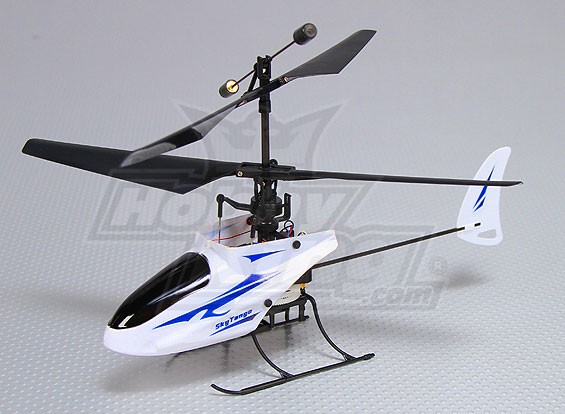
1️⃣ Coaxial RC Helicopters


4
Best for: Beginners 👶
Coaxial helicopters feature two main rotors stacked on top of each other that spin in opposite directions. This design enhances stability and reduces torque issues.
Pros:
- Easy to control
- Ideal for indoor flying
- Affordable 💰
Cons:
- Limited maneuverability
- Slower speed
- Not suitable for outdoor windy conditions 🌬️
Overall Rating: ⭐⭐⭐⭐☆ (4/5 for beginners)
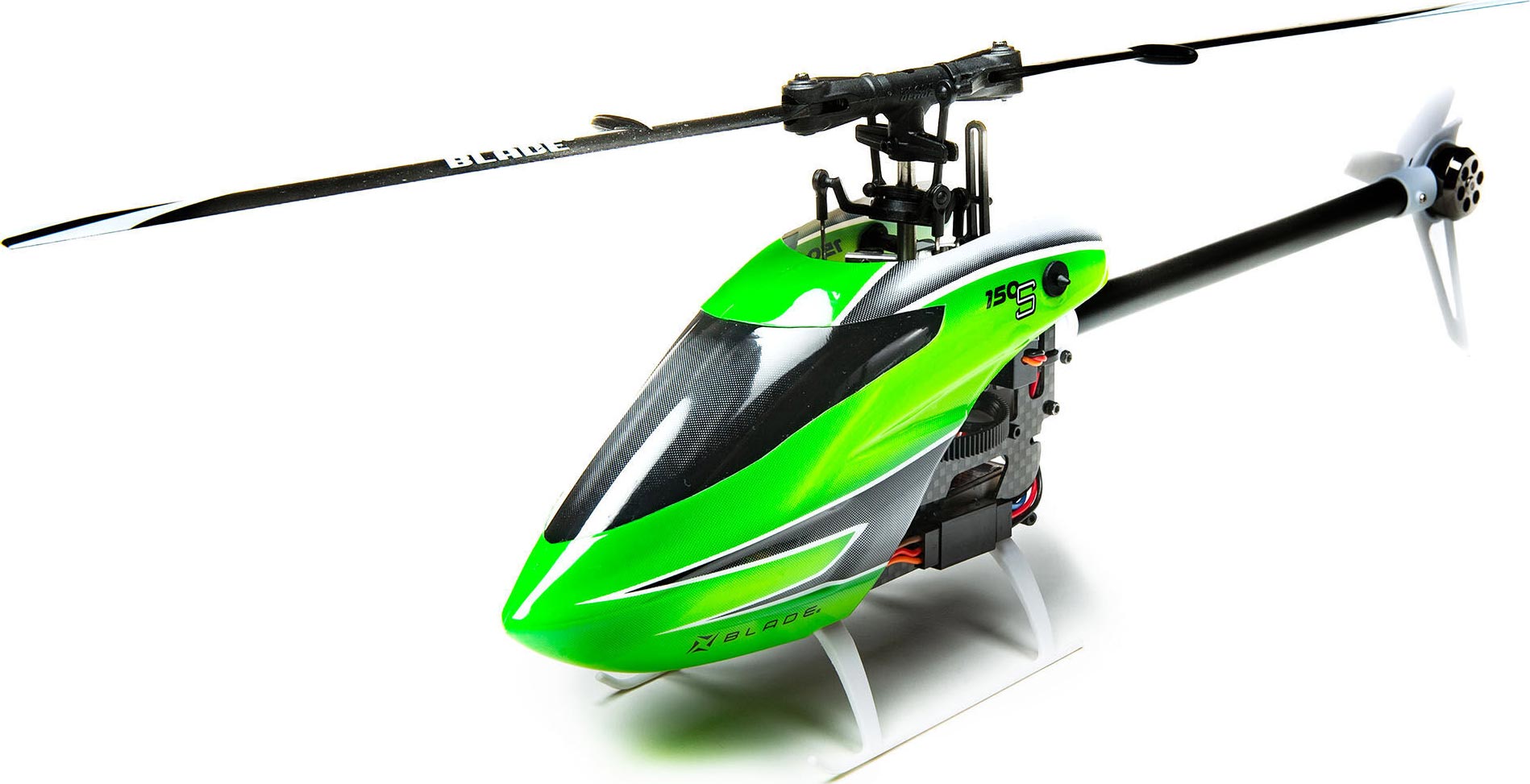
2️⃣ Single-Rotor RC Helicopters

4
Best for: Intermediate to Advanced Users 🎯
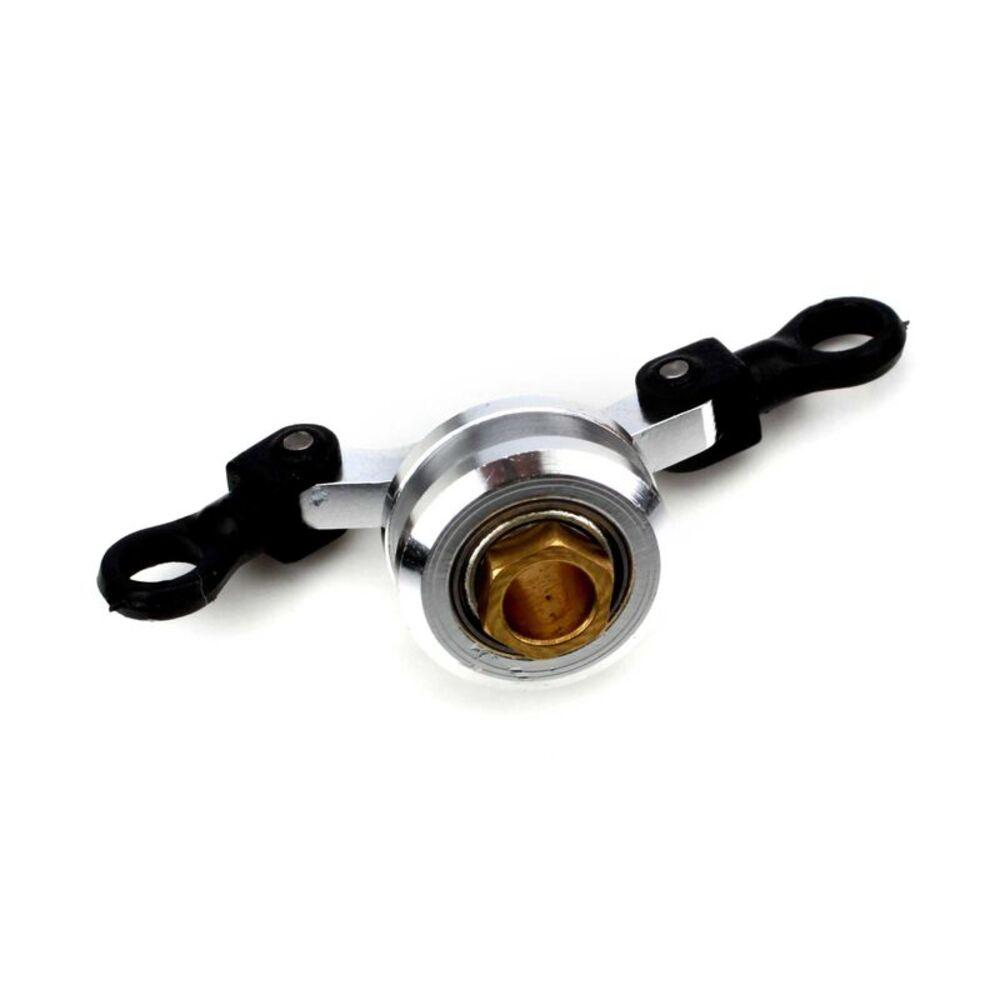
Single-rotor helicopters closely resemble real helicopters in design. They use one main rotor and a tail rotor for stability.
They are further divided into:
- Fixed Pitch (FP)
- Collective Pitch (CP)
Collective pitch models allow blade angle adjustments, enabling aerobatic maneuvers such as flips and inverted flight 🤸♂️.
Pros:
- Realistic flight experience
- Greater speed and power
- Suitable for outdoor flying 🌤️
Cons:
- Steeper learning curve
- More expensive
- Requires regular maintenance 🔧
Overall Rating: ⭐⭐⭐⭐⭐ (5/5 for experienced hobbyists)
3️⃣ Micro and Mini RC Helicopters 🧩


4
Best for: Indoor enthusiasts and casual users 🏠
Micro helicopters are lightweight, compact, and designed for small spaces.
Pros:
- Highly portable
- Safe for indoor use
- Budget-friendly
Cons:
- Limited flight time
- Less durable in crashes
Overall Rating: ⭐⭐⭐☆☆ (3/5 for casual entertainment)
Key Features to Consider Before Buying 🛒
When reviewing RC helicopters, certain technical features determine overall performance and usability.
🔋 Battery Life
Most RC helicopters offer flight times between 5 to 15 minutes per charge. High-capacity LiPo batteries improve performance but require careful handling.
📡 Range
Standard range varies from 30 to 150 meters. Advanced models may exceed this range significantly.
🧠 Gyro Stabilization
Modern helicopters include built-in gyroscopes that assist in maintaining balance and orientation, especially helpful for beginners.
⚙️ Motor Type
- Brushed motors: Affordable but wear out faster.
- Brushless motors: Efficient, durable, and powerful 🚀
🛡️ Durability
High-quality plastic frames and carbon fiber components increase longevity and crash resistance.
Performance Review 🏆
In evaluating RC helicopters as a product category, several performance factors stand out:
1️⃣ Flight Stability
Coaxial and gyro-equipped models perform exceptionally well in stable hovering. Wind resistance, however, remains a challenge for lighter models.
2️⃣ Speed and Agility
Collective pitch helicopters demonstrate impressive acceleration and aerobatic capability. They are ideal for hobbyists seeking dynamic flight experiences.
3️⃣ Learning Curve
Beginner models are intuitive and manageable. However, advanced models require simulator practice and technical knowledge.
4️⃣ Noise Level
Most electric RC helicopters operate quietly compared to gas-powered variants, making them suitable for residential use.
Advantages of RC Helicopters ✅
- 🎓 Encourages STEM learning (aerodynamics, electronics, physics)
- 🧠 Improves hand-eye coordination
- 🎮 Provides immersive recreational activity
- 🛠️ Teaches mechanical skills through repairs and upgrades
- 📸 Can be equipped with lightweight cameras (in select models)
RC helicopters are not merely toys; they serve as educational tools and gateways into aerospace hobbies.
Disadvantages and Limitations ❌
- 🔋 Short battery life
- 💸 Replacement parts can be costly
- 🧩 Requires patience and practice
- 🌬️ Wind sensitivity
- 🔧 Maintenance-intensive (especially single-rotor models)
Despite these limitations, most enthusiasts agree that the experience outweighs the drawbacks.
Maintenance and Safety Tips 🔧🦺
Proper maintenance ensures longevity and optimal performance.
🔍 Regular Inspection
Check rotor blades, tail components, and battery connections before each flight.
🔋 Battery Care
- Avoid overcharging
- Store in a cool, dry place
- Never puncture LiPo batteries ⚠️
🛠️ Spare Parts
Keep extra rotor blades and landing gear on hand.
🚫 Safe Flying Practices
- Fly in open areas
- Avoid crowds and pets
- Follow local regulations
Educational Value 🎓
From a school assignment perspective, RC helicopters demonstrate real-world applications of:
- Newton’s Laws of Motion
- Torque and counter-torque mechanics
- Aerodynamic lift principles
- Electrical circuit design
- Radio signal transmission
Students studying engineering or robotics may find RC helicopters to be practical demonstrations of theoretical concepts.
Market Overview 📊
The RC helicopter market ranges from inexpensive toy-grade models under $50 to professional-grade aircraft costing several hundred dollars.
Price Categories:
- 💲 Budget: $30–$80
- 💲💲 Mid-range: $100–$250
- 💲💲💲 Advanced: $300+
Investing in a mid-range model typically offers the best balance of quality and affordability.
Comparison With RC Drones 🚁 vs 🛸
While drones (quadcopters) have gained popularity due to their stability and camera capabilities, RC helicopters provide:
- More realistic aviation mechanics
- Greater piloting challenge
- Enhanced manual control experience
Drones are easier to fly, but helicopters deliver a more authentic aircraft simulation experience.
Final Verdict 🏁
After reviewing various aspects of RC helicopters—including design, performance, cost, durability, and educational value—it is evident that they remain a highly engaging and technically rewarding hobby.
⭐ Overall Category Rating: 4.5/5
Recommended for:
- Hobbyists
- Students studying physics or engineering
- Aviation enthusiasts
- Individuals seeking a hands-on technical hobby
Not ideal for:
- Those unwilling to invest time in learning controls
- Users expecting long continuous flight sessions
Conclusion ✍️
RC helicopters combine engineering precision, recreational enjoyment, and educational opportunity into one compelling package.
Although they require patience and maintenance, the satisfaction of mastering controlled flight is unmatched.
For beginners, coaxial models provide a smooth introduction. For experienced users, collective pitch helicopters offer thrilling aerobatics and advanced maneuverability.
Regardless of skill level, RC helicopters represent a dynamic and intellectually stimulating hobby that continues to grow in popularity worldwide 🌍.
Whether for academic exploration or leisure, investing in a quality RC helicopter can be both educational and exhilarating. 🚁✨